Film Script: Phyllis Wheatley

This film script on Phyllis Wheatley was written and created by Brodie Willard, a student at Texas A&M University. 


Critical Introduction

“Text is rarely presented in an unadorned state, unreinforced and unaccompanied by a certain number of verbal or other productions, such as an author’s name, a title, a preface, [or] illustrations…they surround it and extend it, precisely in order to present it…to ensure the text’s presence in the world,” -Gerald Genette Paratexts: Thresholds of Interpretation

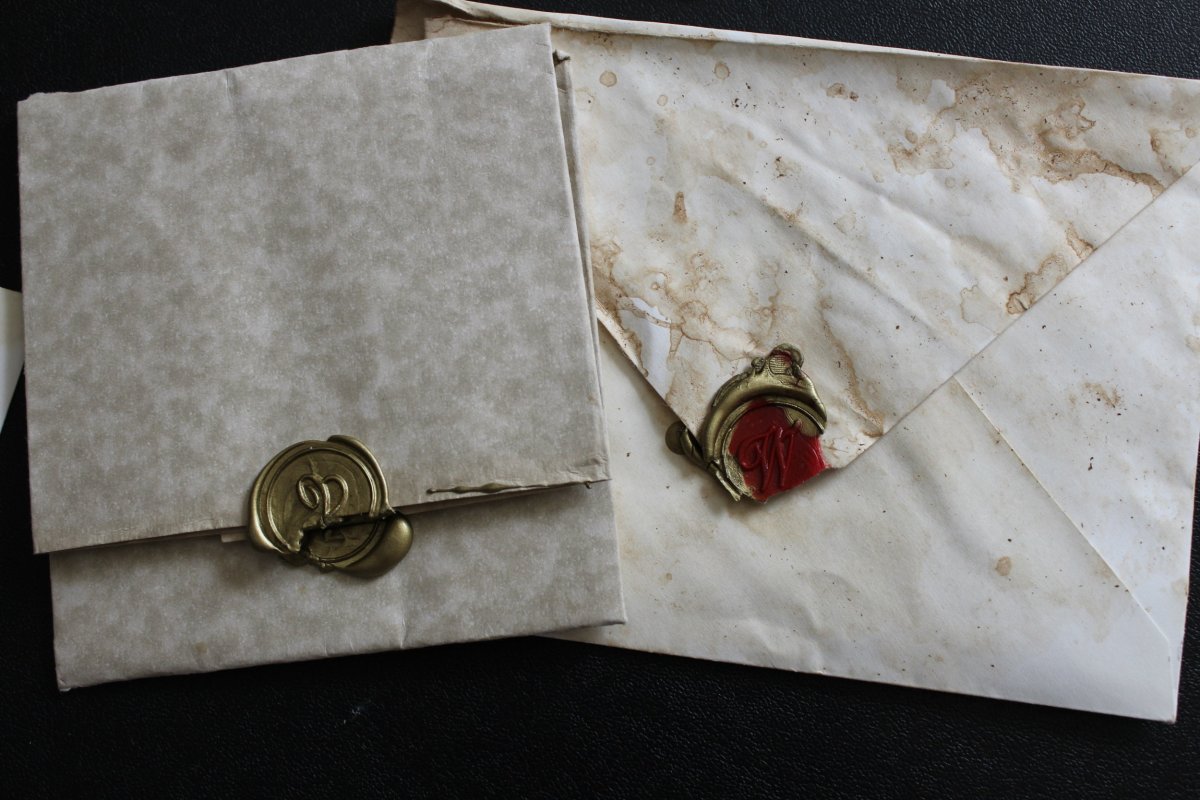
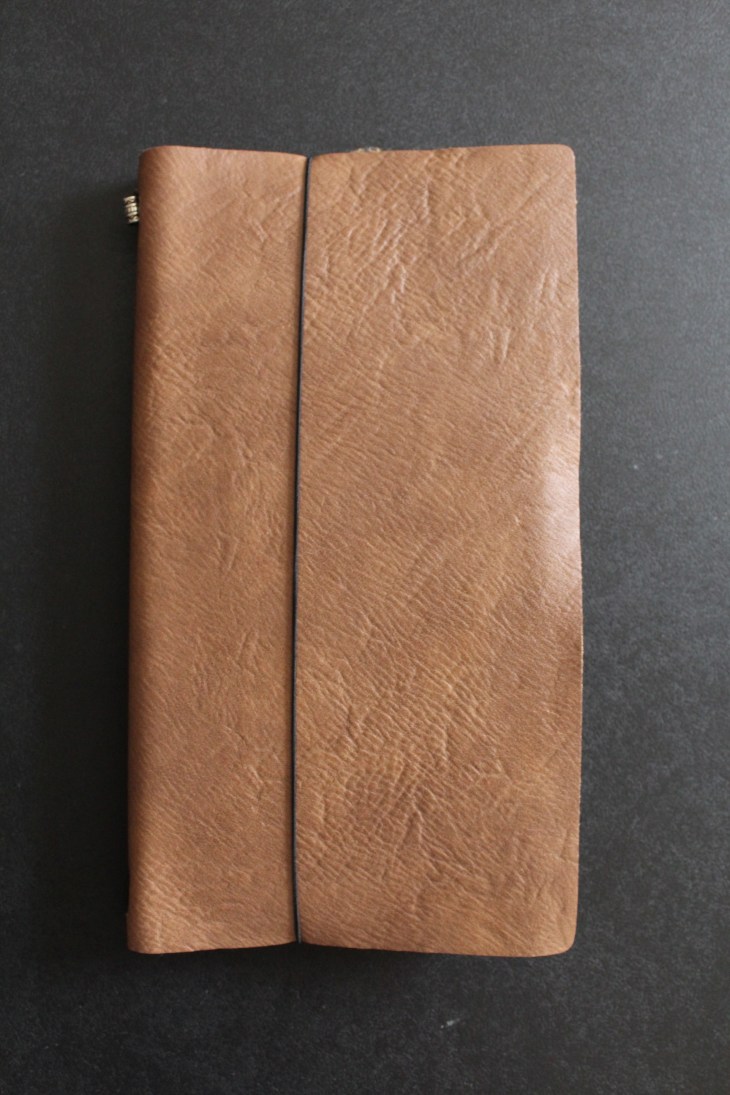
The act of reading is not exclusively bound to an audience’s cognition. Whether a reader is curled up on a couch while flipping through the pages of a freshly acquired novel or squinting at their glistening phone screen on a packed commuter bus, the experience is impacted by the sensations of sight, smell, sound, and touch. Because of the importance of these factors, paratextual analyses incorporate them when determining what elements beyond the actual literature influence a reader’s interpretation. However, there is a certain irony in describing the significance of these physical cues solely through mere text. To avoid this irony, I plan on creating a non-traditional visual approach to an analysis, such as a video essay, which will include visual examples of the previously mentioned senses to provide support for the analytical claims.

Additionally, this project will seek to resonate with an audience of my peers, so as to encourage a broadened idea of how literature, film, music, and artwork can be approached and analyzed in a setting that matches the sensory appeals of their medium. To achieve this, the short film will serve as an introductory example of the strategies that can be applied in an analysis. For instance, a video can also establish a more fluid integration of evidence than in a written paratextual analysis; displaying a shot of an original text accompanied by narration that simultaneously explore the sights of the page melds the rhetoric of an essay with the visual of the work. Admittedly, figures could be attached to a standard written version, but the audience would have to break from the argument to view and compare them with the author’s stance, thus disrupting the overall flow and slowing the comprehension of the piece.

As for the actual work being analyzed, early editions of Phillis Wheatley’s collection Poems on various subjects, religious and moral will serve as the focus for the analysis, because her writing style makes her an apt subject for a discussion over paratext. Since she was a slave during the early stages of her career, many of her books of poetry frequently marketed her race as a sort of curiosity, which she developed into veiled critiques of those that would oppose abolition. Due to this subversive approach to writing, the paratextual content of her work exhibits a portrayal of a black woman as a thinking, feeling, and capable individual. Wheatley is a striking historical figure due to her unusual origins and tact with expression; through these conditions, she manages to weave an image of herself as an author and as an individual into her work.

In conjunction with Wheatley’s poetry, the focus of the video essay will be further supported by several outside sources. The primary source that will be integrated most directly in the film is a personal interview with Dr. Lucia Hodgson, a specialist in African Diaspora and African-American literature, which will go over subjects such as her interpretation of the paratext in Poems on various subjects, how she identifies Wheatley’s writing persona through visual cues, and her thoughts on Wheatley’s experience in relation to that of abolitionism and African-American Literature. Through these subjects, the rhetoric of the work will be able to expand on potential topics such as academic views of paratext, expanded analyses of Wheatley’s tonal choices, and the sociological impacts on literature and culture around her. Alongside that, works like Paratexts: Thresholds of Interpretation will allow the script to establish and explore definitions and expectations of paratextual theory for the intended audience, so that they may better familiarize themselves with the requirements of making an academic analysis. Biographical sources, such as The Trials of Phillis Wheatley, will be used for historical context in the introduction, but will not comprise the primary focus of the narrative.

By creating a visual paratextual analysis of Phillis Wheatley’s poetry, I intend to both display the textual persona of the author and create an inspirational model for fellow students to consider and learn from when conducting reviews of literature and media. Through its research, the resulting video essay will share contemporary aspects on Wheatley’s writing style and reflect the ideals of paratext. Not only will this project strive to represent the works of Phillis Wheatley, but also represent her in a way that compliments the sensational appeals that come with indulging in her texts.


Screenplay

1. OPENING SCENE. BLACK SCREEN                        1

SCENE: Still shot. The screen is blacked out. Everything is silent for the first few seconds. “Rosie” chorus slowly fades in. Shot of Phillis’s portrait slowly fades in with the song.

2. CUSHING. MIDDAY                               2

SCENE: Rolling shot. The camera moves through Cushing library in point-of-view as introduction narration begins. The book is waiting at a table.

NARRATOR

Phillis Wheatley was born in West Africa with a name that has since been forgotten. She was only around 7 years old when she was transported across the Atlantic Ocean and bought by another human being, John Wheatley. She was to be a domestic servant. And yet, despite her disparaging circumstances, she would go on to become one of the most well-known and celebrated poets in the 18th century.

3. CUSHING. SECOND FLOOR. MIDDAY                      3

SCENE: Over-the-shoulder shot. READER is progressing through the book, starting off with the pretext and Preface. Interview dialogue commences, focusing on connecting Wheatley to African-American literature. Interspersed with shots of specific poems. Titles should be centered and coincide with Dr. Hodgson’s comments.

TITLES TO INCLUDE: “O Maecenas”, “An Answer to the Rebus, by the Author of these Poems” “Ode to Neptune”, “On Being Brought from Africa”, “A Hymn to the Morning”, “A Hymn to the Evening”, “A Farewell to America”

4. CUSHING. SECOND FLOOR. MIDDAY                      4

SCENE: Establishing shot. READER refocuses on the initial dedication page and public address. Close up on eyes darting over the text. Series of shots of the names and key words used. The camera mimics the movement of the eye.

DIALOGUE: This scene must focus on the credibility this vouch meant for Wheatley, but also show her interactions with these powerful people. Ultimately, the section should lead in to the topic of abolition.

5. CUSHING. SECOND FLOOR. MIDDAY                      5

SCENE: Tilting shot(s). The camera will scroll down full pages. The pages used will primarily be the shorter works to better capture their full tone and emotion without need for lengthy context in this instance.

DIALOGUE: This section should be fairly source-free, as it is focused on the tone of the textual formatting. Dynamic readings of emphasized text will serve as a coupled example of both audio and visual cues.

6. CUSHING. SECOND FLOOR. MIDDAY                      6

SCENE: Panning shot(s). The camera ‘reads’ over abolitionist lines, specifically “Remember, Christians,” at first, then switches to the more classical lines like “Ode to Neptune”.

DIALOGUE: As the sociological implications of Wheatley’s work is discussed, the shots and cinematography must reflect both the active and passive examples of abolitionist writing.

7. CUSHING. EVENING                                   7

SCENE: Rolling shot. The book is put away and the READER begins to leave the library as they close. Glare from sun should blind the camera.

NARRATOR

Her story was not an easy one, but it was a challenge she rose to meet. Phillis Wheatley was an unquestionably gifted writer who used both a subtlety of words and presentation to communicate her beliefs and abilities. Because of this, her paratext is ripe with hidden streaks of her confidence as an author and showcases the skill many would doubt in her simply due to the color she shared with Cain. Fortunately, she refined her authority as a writer and was able to join th’ angelic train.

8. BLACK SCREEN                                       8

SCENE: Still shot. The screen fades to black. Everything is silent for the first few seconds. “Black Betty” (Original version from the Texan Prison) chorus slowly fades in and fades out with the credits.


Works Cited

  1. Gates, Henry Louis. The Trials of Phillis Wheatley: America’s First Black Poet and Her Encounters with the Founding Fathers. Civitas Books, 2010.
  2. Genette, Gérard. Paratexts: Thresholds of interpretation. Vol. 20. Cambridge University Press, 1997.
  3. Wheatley, Phillis. Poems on various subjects, religious and moral. By Phillis Wheatley, negro servant to Mr. John Wheatley, of Boston, in New England. London, MDCCLXXIII. [1773]. Eighteenth Century Collections Online. Gale. Texas A&M University College Station, 2018.


Copyright 2018 Dylan Brodie Willard

Opening Statement: Prosecuting Desmond

This opening statement was written by James Girvin, a student at Texas A&M University. It is based on characters in Maurice Braoddus’s Buffalo Soldier, published in 2017.


Critical Introduction

There were so many options for this project but after an afternoon of planning, coming up with my idea was not as hard as I first anticipated. An opening statement at the beginning of a trial is one of many aspects that must be delivered perfectly. As a lawyer one would want the jury to be engaged and interested in what is being said so that hopefully by the end of the case the ruling will fall in your favor. For my project, I have decided to use Buffalo Soldier by Maurice Broaddus to convey the argument that Desmond was never sent to protect Lij and instead kidnapped him to use the boy as leverage in the conflict between politics and religion. 

My overarching intention for this piece was to challenge the commonly accepted idea that Desmond was sent to protect Lij from an enemy. Instead, I wanted to argue the idea that Lij was kidnapped by a dangerous stranger who craves power and dominance. I thought that this would be interesting because literature to me is about interpretation. Sure, there are commonly accepted ideas and themes in every piece, but an author wouldn’t write if there was only one correct answer. That would be boring. Essentially, I decided to write an opening statement to challenge the norm because I thought it would be fun to bring a new interpretation to the table that could spark interest in others. Additionally, I think that it is important to move away from a surface level reading of this text and dive more into a depth reading approach, since, after all this is what we have been studying all semester.

Aside from challenging what the book specifically tells us about Desmond and Lij’s relationship, I wanted to take this approach because of the strange way Lij hisses at Desmond when he tries to divert his attention from Cayt just before the start of chapter six. This left me unsettled and ever since I felt that there was something wrong with the situation between Desmond and Lij. Additionally, the cover art on the front of the book adds more support to the claim that Lij doesn’t want to be with Desmond. Desmond seems to be looking forward and Lij seems to be uncertain and uncomfortable as he walks along side of Desmond. It is as if he is searching for a way out.
When creating this opening statement, I pictured a jury as my intended audience. For me, the jury must be composed of a set of people that can develop sympathy for Lij relatively quickly over the course of the trial. As a result, out of the twelve people that serve on a jury I pictured most to be mothers from ethnic minorities. If this were a real court case, I would hope that the opening statement captured the attention of these individuals from the start so that they continue to be engaged throughout the trial. To capture the attention of the jury I made sure that the structure was clear and flowing allowing the opening statement to be spoken from the heart and not seem so rehearsed. I thought it was extremely important to make the jury feel like they were being spoken to and not lectured to. Additionally, I kept an ongoing theme by continually referring to Lij as a boy or child. By doing this the mothers on the jury should develop a sympathy for Lij and as a result will stay in support of my argument throughout the trial. I also wanted to build up suspense for the audience through the first few paragraphs so that by the time I reached the end I would still have their attention. I didn’t have to make too many adjustments when writing the opening statement. Besides working on telling a story there were few additional adjustments I had to make. Most if not all were minor and included dressing up the language and making it seem like Lij was coerced or tricked into leaving with Desmond.

I received most of my inspiration for this project by watching various opening statements on YouTube. Most, if not all, focused on a theme and telling a story so I made sure that I included aspects of each. I also noticed that they were relatively short and were important for giving the jury the first impression of each party in the case. Therefore, I spent some time making Lij seem innocent and Desmond seem wicked. The next thing I did was research the Texas Penal Code. The Texas Penal Code has every offense an individual can be charged with in Texas and the elements that constitutes each crime. Elements are what the prosecution must prove to get a guilty beyond a reasonable doubt verdict. This research was critical because if I didn’t understand kidnapping then my argument would have likely been invalid in a real court room. Furthermore, I found that Desmond would be charged with a more serious form of kidnapping because his case would involve taking someone with government information. Additionally, I found that while including evidence could be done, omitting it so that the jury can focus on one idea at a time is a more favorable approach.  

Opening Statement

Stay away from strangers. Never wander off. Everyday parents warn their children about the dangers of strangers in the real world. Kidnappers. Strangers who care only about themselves. Today’s case is about a stranger who stopped at nothing to take advantage of the life of an innocent child. The Defendant, Mr. Desmond Coke, is a Jamaican national and former espionage agent. For years the defendant has studied the conflict between religious leaders and politicians understanding the imminent war that lies ahead. As a result, he took a boy to use this child as leverage over two feuding parties promising safety to lure him in. Unfortunately, this boy fell for the defendants promises costing him his freedom.

It is our privilege to represent Jamaica’s bravest child, Lij Tafari. From the beginning of his life Lij has always lived with uncertainty of who he truly is and the power that he possesses. On one cool night, Lij was taken from his homeland of Jamaica by a man who would strike fear in anyone’s eyes. Wielding only a cane sword, he is known for being a relentless killer. This is a man who lives recklessly and never prepares to see tomorrow, so why would he have any business in wanting to protect a child? He doesn’t. Lij was just an element for leverage in a conflict he wanted no part of. Lij has done what any other scared child would have done when confronted by a mysterious man. He did what he was told. Unlike any other boy, Lij holds the answers for resolving a worldwide conflict and because of it his custody is invaluable to a stranger like the defendant.

Members of the jury I will be the first to tell you that the defense will say that Lij left voluntarily with the defendant. That he knew the defendant’s job was to protect him. However, they will not mention the nights that Lij did not approve of leaving. Or the times that he longed to escape. Lij was unaware of the consequences; of the dangers that existed ahead. He was just a boy. He left not realizing the greed and danger that the defendant posed to the wellbeing of them both. I’m here to prove to you that on this cool night in Jamaica, the defendant Desmond Coke kidnapped an innocent child to take advantage of the powers that he possessed.

First, he failed to gain adequate permission for taking Lij. Without parental consent and the inability for Lij to understand the complexity of his own situation, the defendant took advantage of this boy promising safety so that the defendant would gain individual power in a worldwide conflict. Second, the defendant knowingly and intentionally abducted Lij with intent to interfere with the progression of a government function. The evidence will show that this child holds valuable information in a conflict between political and religious officials as he was held captive by the defendant. Lastly, the defendant failed to both provide and release the victim in a safe place causing Lij to give up hope and live in danger while with the defendant.

Today, I expect the defense to argue that Lij voluntarily left with him understanding the consequences and potential danger ahead. But, you’ll see that this could not be further from the truth. He was just a boy. He had no idea about the potential dangers or even who the defendant was. All he knew was that not leaving would end his short-lived life. At the end of this trial you will find the defendant, Mr. Desmond Coke, guilty beyond a reasonable doubt of aggravated kidnapping.


Works Cited

  1. Movieclips. “The Devil’s Advocate (5/5) Movie CLIP – I Don’t Like Him (1997) HD.” YouTube, 17 July 2012, https://www.youtube.com/watch?v=DEX-5gM0P8I&list=PLwdiGDy7krKWE2u8KMG7UYWOIMfoYB6S6.
  2. Murphy, Jim. “Hoffman Cup 2013 – 4 Opening Statement by Defense.” YouTube, 20 November 2013, https://www.youtube.com/watch?v=lm2hwjFX45U.
  3. Rose, Charles. “Examples of Persuasive Opening Statements.” YouTube, 16 July 2012, http://www.youtube.com/watch?v=G6O51yZAOgA.
  4. Tex. Penal Code § 20.04 (a)(6).

Copyright 2018 James Girvin

Gone in a Matter of Hours

“Gone in a Matter of Hours,” is a fanfiction written by Faith Smith, a student at Texas A&M University. It is based on Otavia Butler’s “Speech Sounds,” a short story published in 1983.


Critical Introduction

In “Gone in a Matter of Hours,” I am exploring the character, Rye, from “Speech Sounds.” I intend to expand on Butler’s character and develop an interpretation of her life and who she was preceding the horrible epidemic. Rye’s story is worth exploring because she is the main character in “Speech Sounds,” yet Butler’s readers are given very little information about her past. Readers understand that Rye is frustrated with her inability to read or write, which was her passion as a teacher and a writer before the epidemic hit. She was angered to the point of willingness to kill another human because they were capable of something she was not because. It is also clear that Rye is lonely and eager for personal connections, but it is uncertain why she was so willing to trust a man she never met and take in children who were orphans.

“Gone in a Matter of Hours” will capture the value Rye placed on her relationships held so dear to her before the epidemic, explaining why Rye was so desperate to spark a relationship and recreate what she had lost. My story will explore the relationship Rye had with her children and her husband, and will capture her role as a mother and spouse. This too will clear up Rye’s immediate attraction and willingness to couple with Obsidian, a man she just met, and how the children in “Speech Sounds” pulled on her heart strings as a mother, clarifying the guilt she felt about leaving the children behind. Readers of Butler’s “Speech Sounds” know the epidemic affected her ability to read, but the readers have no idea how this earth-shattering epidemic started, what it was like when the disease started to take over, and most importantly, how this changed Rye’s life and made her feel. A story that explains what it was like when her family came down with the illness would help Butler’s readers to better understand why Rye is so frustrated and acts the way she does in her story. In order to truly know a character, we must understand the motivations behind their actions.

This story’s intended audience is Butler readers who have read “Speech Sounds.” The audience will remain in line with Butler’s audience, both being geared more toward adult readers. I hope my audience finds the answers to the questions they have regarding Rye and her past when the epidemic first began. “Gone in a Matter of Hours” will explain how the disease took over her family, and how it changed her perception of the world around her. They will also find out how her family died, and how this took a toll on her mental health.


Gone in a Matter of Hours

She had always enjoyed the smell, ever since she was a little girl. Nothing compared to the smell of a freshly printed, yet to be opened novel. Rye’s house always smelled like this. Her children and husband hated it, but it was her favorite thing. It reminded her of every character she had ever dreamt up, every story she had ever written. It brought her happiness…peace.

Rye walked into her house, greeted by fits of laughter from her two children, Alison and Noah, as they raced to hug her legs. Alison was a beautiful little girl, only three years old. She had long blonde hair, bright blue eyes and her laugher brought joy to everyone who heard it. Noah was much smarter than your average five-year-old, and he too had beautiful blonde hair and blue eyes.

“Hi, mommy! I missed you,” Alison squealed as she squeezed Rye’s leg tightly.

 “No, mommy, I missed you more!” Noah screamed as he pushed Alison off Rye’s leg to make room for himself.

Rye rolled her eyes and bent down to squeeze them tightly. It had been a long day. “Where is your father?” she asked them.

“He’s in the kitchen, mommy,” Alison squeaked as she ran into the kitchen.

Rye stopped to take a second to breathe in the familiar scent of home. She had been in Chicago at a teaching conference for UCLA professors for a week. She had missed the smell and comfort of being home.

“Mommy? Something is wrong with daddy,” Noah cried.

Terror took over Rye’s entire body. She wanted to run to them, but she was frozen. Her few moments of peace immediately turned into panic. She was terrified of what she would find when she turned the corner. Rye quickly snapped out of her trance and raced into the kitchen. She stopped dead in her tracks when she saw him.

At her feet, her husband, Luke, was staring up at her with pain in his eyes. He was shaking uncontrollably, looking at her desperate for help.

“Luke? What’s going on? What hurts? Tell me how to help!” Rye screamed. She eagerly awaited his reply, shaking his shoulders, but he just continued to claw at her legs, pleading for help. She bent down and tried to lift him, but his legs were limp. Luke grunted, obviously in pain. Rye was lost.

“Alison, Noah! Someone bring mommy the phone! Now!” she screamed.

Alison disappeared and came back with Rye’s purse. Rye dug around frantically looking for her phone. She picked it out of the bottom of her bag and called 911.

“Send help, please. Something is wrong with my husband and my kids are here. I think he might be having a stroke. He can’t speak to me and he doesn’t seem to be able to move his lower body.” She said to the operator. “Luke, look at me. Help is on the way you’re going to be okay.”

Fifteen minutes later, Luke was being rushed to the hospital in an ambulance with Rye and the children following in her Suburban. They lived only twenty minutes from the nearest hospital, but rush hour traffic on a Saturday night in downtown LA was always at a standstill, and she had no idea how long he had been like this before Noah found him.

“Please! Go faster! My husband cannot die today!” she screamed at the other cars, but they obviously couldn’t hear her. Rye refused to lose her husband. They had gotten married just six short years ago, and had just started a wonderful life together. She so desperately wanted to watch her children grow old alongside Luke. To grow old together.

As she was inching through LA traffic she couldn’t hold back tears as she thought about Luke. She couldn’t stop thinking about how she cannot live without him. She cannot be alone. Alison and Noah cannot grow up without a dad. Rye was head over heels for Luke, and she knew she would never find another like him. This could not be the end for them.

When they finally arrived at the hospital, Luke was rushed into a room, and Rye and the kids were told to stay in the waiting room. They didn’t need to see Luke in the condition he was in, as she knew his brain had been struggling to get oxygen for a very long time. As she sat in the waiting room with Alison and Noah asleep in her lap, she prepared herself for the worst. (expand on what it would be like without him)


Rye woke hours later to Luke’s doctor shaking her shoulders. “Ma’am, please come with me. We need to talk,” she said quietly.

Rye and the doctor stepped into the hall, away from the children, and by the look on the doctor’s face, Rye knew it was bad news. “Ma’am, I’m so sorry. We did the best we could, but we could not save your husband. He was suffering from the epidemic that just made its way into LA. Have you heard about it?” she asked Rye with sad eyes.

“Of course, I have heard about it, but I had no idea it had made its way into LA. When did this happen?”

“Only a few days ago. Your husband is one of two hundred cases that have been detected in the area so far. Almost all have been fatal. I am so sorry for your loss, but I have even more bad news.” The doctors face filled with remorse as she stepped back to lean against the wall, immediately filling Rye with terror. Rye crossed her arms and took a deep breath, bracing herself for the news that was coming next.

“This disease is extremely contagious. It will more than likely spread to anyone who has been in contact with your husband in the past two days. It will start with a headache, and within a few hours, the disease will start to affect its inhabitant’s communication skills. It affects every victim differently. It can impair one’s ability to speak, comprehension of speech, and literacy. It can also cause paralysis and can be fatal in most cases. I am so sorry, but I need you and your children to prepare for the worst.”

Rye’s head started to spin, and she fell to the floor. The doctor caught Rye as she began to sob. “I’ve been gone at a conference for a week! I didn’t even get to say goodbye to my husband, and now my children are going to be taken from me too?” she spat viciously at the doctor.

“Ma’am I know this a lot to handle. I cannot imagine what you are going through. I suggest you take your children home and make them comfortable. It is going to be a brutal last few hours for them.”

Rye collected herself off the floor and thanked the doctor. She slowly walked back to the waiting room, unsure of what she was going to tell her children. Her mind was filled with frustration and anger. How could the world be so cruel? Her husband was taken right from under her nose just as their life together was getting to the good parts, and now her whole world was going to be taken away in just a few short hours. It wasn’t fair, and she shook with rage.

When she returned to the waiting room, Alison and Noah were curled up in the chair together. “Come on, loves, it’s time to go home. Daddy will be spending a few nights here, but he will be home soon. We will come back to visit him tomorrow.” She picked them up off the chair and started to walk back to the car, a piece of her heart left behind in a body bag.


Rye carried Alison and Noah upstairs. As she placed them in bed, she knew they wouldn’t make it until the morning. Alison was already having trouble speaking to Rye, and Noah was complaining of a headache. She knew it was coming, but she was in no way ready to kiss her children goodnight as she knew this would be the last time. She sat at the foot of their bed and watched her children sleep for a while, the whole time silently hoping it would be easy and pain free for them.

She silently cried realizing all of the things she was going to miss about being a mother. She would never get to watch them play spots, graduate high school and college, get married and she would never meet her grandchildren. She would have no one to hug after a long day at work, or to take care of when they were sick or hurt. Rye knew her life as she knew it was ending, and she couldn’t bear it.

She became sick to her stomach the longer she sat, so she reluctantly kissed Alison and Noah goodnight for the last time, her lips lingering on their foreheads as long as she could bear. She felt nothing but guilt and anger as she turned off the light, and shut the door behind her. How can she just close the door on her dying children? How can she just stand by and do nothing knowing her children are suffering in the room above her? Why couldn’t she be the one getting sick? Alison and Noah had a whole life ahead of them.

Rye’s mind was racing, and the only thing she knew to do to clear her mind was to write. She walked slowly downstairs, and sulked to her desk in her study. She picked up her favorite pen and her empty notebook. As she went to write a story about the night’s events, she realized she felt as if she did not know how to write. She tried with all of her might to make sense of words on the page, but when she read over the few sentences she had written, she realized they were gibberish. She threw her pen and screamed at the top of her lungs in anger. She sat back in her chair, staring at her desk in disbelief. A few short hours ago, everything was perfect. She had the perfect job, husband and children, and now her world was crumbling in her hands. Everyone and everything that mattered to her was taken from her in a matter of hours by something beyond her control.

Rye knew what was coming. Sickness was coming for her. Her death was imminent. She walked to the living room, curled up on her couch with her notebook clutched to her chest, hoping she would wake in the morning to the sounds of her children’s giggles and the smell books.  


Works Cited

  1. Ameile, Castiel. “How to Write the Best Fanfic.”HobbyLark, HobbyLark, 12 June 2017, hobbylark.com/fandoms/How-To-Write-A-Good-Fanfic.
  2. MacGregor, Dax. “How To Format Dialogue.” First Manuscript, 25 July 2016, firstmanuscript.com/format-dialogue/.
  3. Totallyashipper. “The Re-Sorting Hat.” Worldless – My Meaning of Life – Emily David – Wattpad, Wattpad, 15 Feb. 2016, www.wattpad.com/story/56727875-the-re-sorting-hat.
  4. Trelogan, Stephanie. “How to Tell If Someone Is Having a Stroke.” Senior Care: Housing, Home Care, Community, Articles, Caring.com, 6 Feb. 2018, www.caring.com/articles/signs-that-someone-is-having-a-stroke.


Copyright 2018 Faith Smith

Utopia: A Northanger Abbey Film Pitch

This video on Northanger Abbey was made by Nikolas Kerbers, a graduate of Texas A&M University. 


Critical Introduction

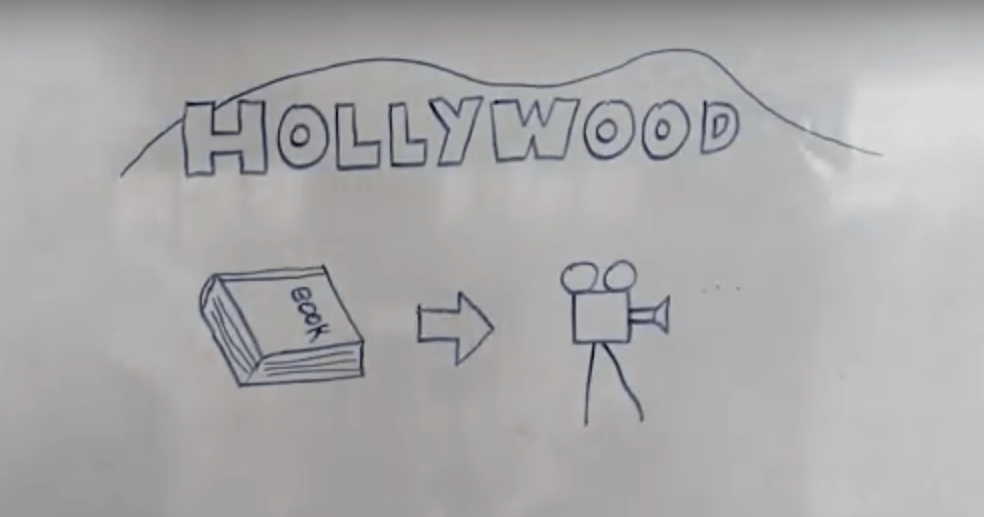
Hollywood is built on adaptations. For decades Hollywood has been using other sources of media as inspiration for its films. From classics such as Gone with the Wind and To Kill a Mockingbird, to the more recent Lord of the Rings and Harry Potter franchises, to every… Nicholas Sparks book ever. There’s no shortage of inspiration for directors to pull from. But there is one resource that has been underutilized by directors for years that would make for a refreshing, entertaining, and intelligent film, and that is Jane Austen’s classic novel Northanger Abbey.

What makes Northanger Abbey a brilliant novel is the way in which it successfully satires one of the most popular literary genres at the time, while at the same time using the storytelling elements of that genre to enhance its own story. Northanger Abbey is constantly calling out tropes of this genre throughout the entire duration of the novel, while also abusing these traits to build its own narrative. Miriam Fuller discusses how the satirical traits each of the characters in Northanger Abbey actually creates an opportunity for them to have depth in their personalities. She calls brings up characters such as Mrs. Allen, who has been set up by the narrator as a foolish character (Fuller 92). Other characters in the novel “take nothing she says seriously,” this facade disguises her actual purpose, which is to be some of the wisest counsel that Catherine gets throughout the entire novel. Amidst making fun of Gothic novels through Mrs. Allen, Austen is hiding gems of dialogue that are actually important messages that readers and other characters use to get a more complete understanding of Jane Austen’s subliminal messages littered throughout Northanger Abbey. The Narrator is another element to what makes the satire of Northanger Abbey work so well. It is the primary way that Austen communicates her claims about Gothic novels, and through which she makes her arguments as to why her satire makes sense. The humor that the narrator uses not only builds its own credibility to the audience and entertains them at the same time, but also backs up the claims that Austen makes throughout the novel (Niebuhr 151).

In order for this film to work, but still be considered an adaptation of Northanger Abbey, it has to have the same type of satire at its core. Because Northanger Abbey in itself was a Gothic novel of sorts, it seems appropriate for a film adaptation of the story to satire a popular film genre. Since Gothic novels were very popular with women at the time of their height, it seems appropriate to satirize a genre that for decades has been popular for women, and that is the romantic comedy. Despite research saying that romantic comedies are becoming less popular to women in recent years (Fandango reports Action movies becoming the new favorite genre for women in recent years), this film itself will be a refreshing take on that genre (BUSINESS INSIDER). If executed with the same strategies that are implemented when the original novel satirized Gothic novels, one of the aspects of this film will be how it satirizes a once-popular genre amongst its audience. What will make the audience enjoy it more and more are the nods it makes to the genre itself while at the same time going against the conventions of the romantic comedy genre as a whole. The film will not only make the audiences think more than a normal romantic comedy does, but audiences will enjoy being in on the jokes that are made about romantic comedies as a genre. This inclusion will enhance the audience experience, as well as the plentiful amount of satire that will be present in the film, will keep the spirit of Northanger Abbey within a film that brings the themes and ideas of this story into the modern day through a modern medium.

Before any adaptation of a classic story is done, it is important to look back and see what has already been done; discover what works, what doesn’t, and use this information to influence how this adaptation will work. There are two adaptations of Northanger Abbey that have taken the novel and made it for either film or television. Both are television films, both titled Northanger Abbey. The first was broadcast on A&E and the BBC in 1986. This film was not very well received, only holding a 5.4 out of 10 on IMDB currently. According the Jane Austen Centre, the film missed many marks when it came to capturing the essence of the original tale. They claimed that the cast of the main couple, Catherine and Henry, were not the right people for their roles. Peter Firth, the actor who played Henry, was “too old and too blonde for his role,” and Katherine Schlesinger, who played Catherine, was almost too innocent, unintentionally creating a “frightening atmosphere” for her character throughout the film. The film didn’t commit on the music choice, mixing new age music with music for the period. The only plusses that they point out are that the filming of the entire film in Bath was quite beautiful, and the costume design was an excellent, calling the “lavishing and appealing” (Boyle).

The second, and more recent, film adaptation was released in 2007 by the BBC. This film is much more received by the public, currently holding and 7.3 out of 10 on IMDB. This film, unlike the previous adaptation of Austen’s work, was praised by critics for capturing the essence of the story without sacrificing quality. Ray Bennett, critic for The Hollywood Reporter, praised the film not only for wonderful casting and a well-written adaptation, but also for its cinematography and musical score. Similar praise was given from other reviewers. When all of these pieces were put together, it created a film that was able to capture the story well in its original context. Based on these observations, there are a few important notes to take into consideration when bringing these stories to the modern day; find actors who are close to their respective characters in age while still exhibiting the same characteristics that as the characters in the novel, dress everyone appropriately for where and when the story is being told, pick music that fits the time and setting, and make good cinematography a priority.

Now, in order to manipulate and satirize a romantic comedy’s tropes, it is important to identify the tropes that have been utilized by the genre throughout its existence. Leger Grindon in his book The Hollywood Romantic Comedy: Conventions, History, Controversies created a list of the most common conventions used within the genre, as well as what is usually done to do the opposite of these traits, while still keeping the film within the romantic comedy genre:

  1. “Mainstream romantic comedies feature glamour leads, stars like Hugh Grant, Julia Roberts, Tom Hanks, and Andie MacDowell. Comedies on the margin favor common, odd-looking characters played by the likes of Paul Giamatti, Miranda July, or Emily Watson.
  2. The mainstream uses the familiar classical or intensified continuity style, emphasizing the natural instincts and desires driving romance. On the margin artifice, innovation and a self-conscious style emphasize the unnatural social manners governing romance.
  3. Mainstream comedies typically portray young, unmarried couples whereas the comedy on the margins tends toward older couples and infidelity plots that acknowledge a culture of divorce and the instability of romance.
  4. In mainstream romantic comedies the obstacles between the lovers are externalized in parents, rivals, or differences in class, age, careers, ethnic heritage, etc. On the margin, obstacles are more internalized and represented as neurosis in one or both members of the couple.
  5. The mainstream endorses romantic hopes and dreams. On the margin, realism deflates romantic sentiment and ideals.
  6. The mainstream portrays destined soulmates, “the one true love,” and has the couple live “happily ever after.” On the margin, chance, circumstance, uncertainty, and limitations shape romance.
  7. Women in mainstream films seek the economic security of marriage; men resist, guarding their freedom. On the margin, men seek emotional stability in marriage; women resist, guarding their freedom.
  8. In the mainstream film self-sacrifice for the beloved invests the union with a redeeming grace, sparks a transformation, and prepares the couple for parenting. On the margin a relationship often serves as a means for self-exploration and the discovery of a new identity which may result in the separation of the couple.
  9. In the mainstream comedy divergent gender cultures are overcome in the unity of the couple. On the margin divergent gender cultures remain an obstacle, and tension over shifting gender roles continues.
  10. In the mainstream the couple delay sex until the conclusion and their final embrace confirms their union. On the margins sex plays a conspicuous role in the courtship and often manifests neurosis, becomes a source of tension, and serves as an obstacle between the lovers.
  11. The mainstream comedy leaves the couple united and happy. On the margin the endings are uncertain, ambivalent, and unresolved; often the couple parts.
  12. Mainstream comedies are typical of the screwball era and the “reaffirmation of romance” cycle. The art comedy is conspicuous in the “nervous romance” cycle” (Grindon 81-82).

Based on this list, the best tropes to satirize through this film are the fourth, fifth, and sixth tropes on that list. All of the people surrounding Catherine in Northanger Abbey are perfect people to use to satirize the roles people have in being obstacles and wisdom-givers in her life throughout this film. The film can be written in a way that has Catherine overthinking every interaction she has with John Thorpe and Henry, making fun of her grand expectations that come from romantic gestures. In fact, most of the gestures that she will be a part of won’t even be romantic gestures at all. That is where the overactive imagination present in Austen’s version of the character comes into play; it’s all about using her naivety and innocence to enhance the satire of grand romantic gestures. Lastly, her relationship with Henry can be used to call out expectations by Catherine of him being her one true love. These elements of romantic comedies can easily be utilized by this film to accomplish its goal of satirizing romantic comedies, while at the same time maintaining the same spirit and combination of satire and humor of the original Jane Austen novel.

This film, unlike the previous adaptation discussed, will be set in the modern day. In this version, instead of having Catherine being obsessed with Gothic novels and having read all of them, she’s instead seen every romantic comedy known to man. Why? Because she’s from Hollywood itself! Put her family in the middle of the movie capital of the world, make her parents work for one of the giant movie studios out there, and she’s bound to constantly be exposed to these movies all of the time, whether it be from her own choosing or through watching her parents work. How does she retain the same innocence as the original Catherine? Easy; she was home-schooled her entire life, and decently sheltered by her parents, only getting her ideas about love and romance from the movies she watched.

Instead of pulling a young girl from her home to a different, slightly fancier town, we pull an innocent city girl and put her smack-dab in the middle of the country life. Mr. and Mrs. Allen can still remain family friends that house her for the summer too. She’ll still be able to fall in love with Henry, befriend Isabella and then Eleanor, dissuade John Thorpe from falling for her, and go off on a retreat with the Tilney’s near then end of the film. Instead of her becoming paranoid about Mrs. Tilney being the victim of a murder plot, she will suspect General Tilney of one of the most common reasons that relationships crumble in Rom Coms; a giant scandal involving him cheating on his wife (which will prove to be untrue, but General Tilney will still be seen as a crappy husband as he was in the book).

Catherine will continuously overreact and misread how Henry is communicating to her throughout their relationship as well as her interactions with other men throughout the film, all to come to a climax at the end where she realizes how skewed her reality is, but Henry decides to remain with her, just like in the novel. Through this plot, you have the same major themes, ideas, plot points, and characters traits of the original story, without making everything seem out of date and out of place. 

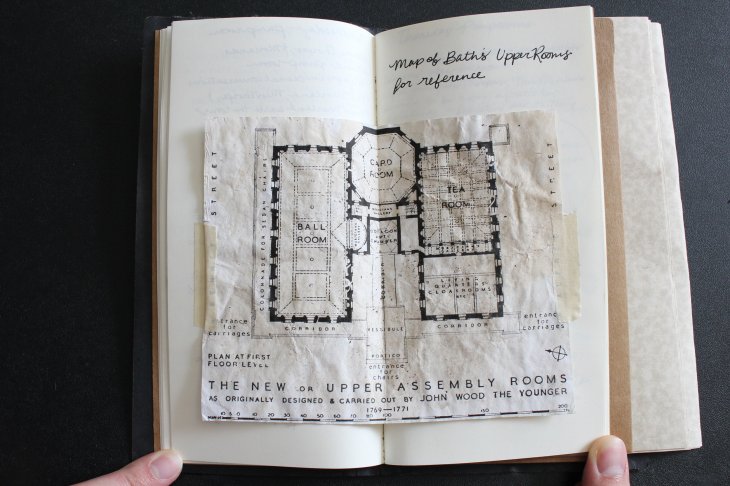
Now we’ll briefly touch on setting. As stated before, Catherine and her family will be from LA, but she will spend the majority of her time in the film with the Allens in beautiful Utopia, Texas. As seen in the film “7 Days in Utopia,” this town is the perfect place to have the small community feel of Bath, but will be different enough for her to feel like an outsider like she did in the novel. A country club and town market can replace the Upper Room and Pump Room respectively as the places to go for social interaction and late-night dancing and partying. Utopia is also close enough to San Antonio for this to be where she retreat to with the Tilney’s instead of the Abbey. These locations will have the same effect as their counterparts did in the novel, without seeming random in nature. 

Once all of these elements are combined, you create an adaptation that will be powerful, authentic, and impactful to all audiences. It will be accessible to new viewers of Jane Austen inspired work, but can clearly be seen as influenced by her work. This adaptation will be a wonderful addition to films inspired by Jane Austen. This is Utopia.


<div class="sqs-video-wrapper" data-provider-name="YouTube" data-html="
“>


Works Cited

  1. Bennett, Ray. Northanger Abbey Bottom Line: Lust and Adventure in a First-Rate Austen Adaptation. Mar. 2007, https://web.archive.org/web/20090309031720/http://www.hollywoodreporter.com/hr/television/reviews/article_display.jsp?&rid=8957.
  2. Boyle, LAura. Northanger Abbey: 1986. Jan. 2001, https://www.janeausten.co.uk/northanger-abbey-1986/.
  3. Grindon, Leger. The Hollywood Romantic Comedy: Conventions, History, Controversies. 2012.
  4. “Northanger Abbey.” IMDB, https://www.imdb.com/title/tt0091649/.
  5. —. IMDB, https://www.imdb.com/title/tt0844794/?ref_=nm_flmg_act_37.

Copyright 2018 Nikolas Kerbers